Lower back pain is one of the most common reasons to see a doctor, and the good news is that most cases improve within weeks. Knowing how it is assessed helps you know what to expect, and when pain points to something more.

Where does lower back pain come from?
- Muscle and ligament strain: the most common cause, often linked to lifting the wrong way or a sudden movement.
- Sitting and work posture: long, motionless sitting gradually strains the back muscles.
- Disc herniation and sciatica: a disc may press on a nerve root, sending pain down the leg with numbness or tingling.
- Age-related spinal changes: these develop gradually and often appear on X-rays without being the sole cause of pain.
Step one: the full story
Assessment begins with questions that may seem simple but lead to the diagnosis: when did the pain start? Does it spread to the leg? Is it worse sitting or standing? Does it wake you? Do you have other conditions or a previous injury?
It helps to note before your visit when the pain is worst, what you have tried, and any medicines you take.
Step two: the examination
The doctor checks your back’s flexibility and range of movement and the sites of tenderness, then examines the nerves of the legs, including muscle strength, sensation and reflexes, to see whether a nerve is being compressed.
Do I need an X-ray or MRI?
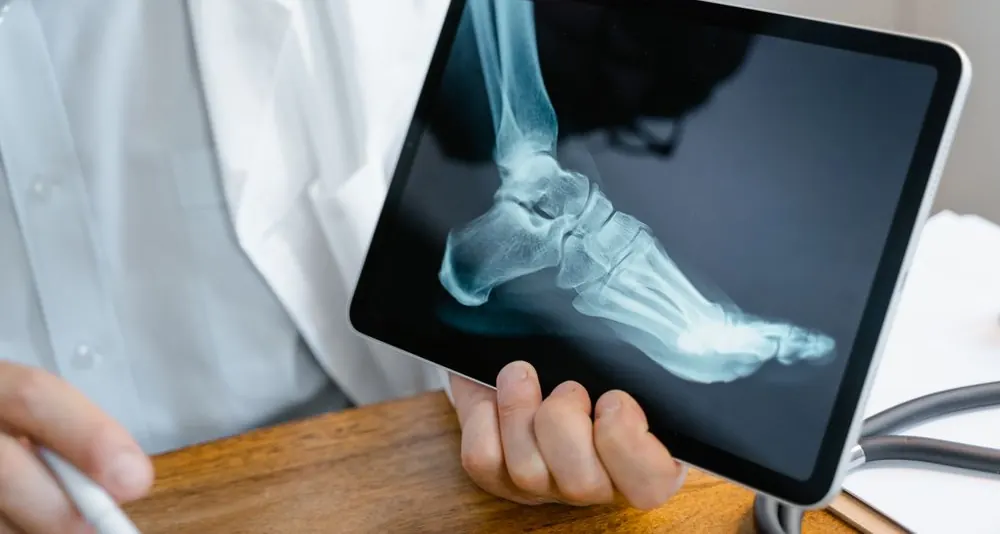
Not every back pain needs imaging. X-rays or MRI are requested in specific cases, such as nerve weakness, symptoms that persist despite treatment, or signs that call for more investigation. Often the history and examination alone complete the diagnosis.
Signs that need emergency care
Go to the nearest emergency department without delay if back pain comes with any of the following:
- Increasing weakness in one or both legs.
- Numbness around the groin or buttocks, or loss of bladder or bowel control.
- Severe pain after a fall or accident.
- High fever or unexplained weight loss with the pain.
Daily habits that protect your back
- Stay as active as pain allows; gentle movement helps recovery more than long rest.
- Take a short movement break every 30 to 45 minutes of sitting.
- Lift by bending your knees and keeping the load close to your body.
- Keep the screen at eye level and support your lower back when sitting.
Having similar symptoms?
This article is general education; assessing your case needs a direct examination. Book a visit and your doctor will listen and explain the next step.