The knee is one of the hardest-working, weight-bearing joints in the body, so most people feel knee pain at some point. Much of it passes with rest; some of it is a message worth hearing early.

Common causes of knee pain
Knee pain has many causes depending on age, activity and how the pain began. Among the most common:
- Osteoarthritis: gradual wear of the cartilage lining the joint, more likely with age or extra weight, usually felt as pain with movement and stiffness after sitting.
- Ligament and meniscus injuries: often during sport, or when twisting suddenly with the foot planted.
- Front-of-knee pain: pain around the kneecap that grows on stairs or after long sitting.
- Tendon and bursa inflammation: usually from repeated strain or long periods of kneeling.
Signs you should see a doctor
Not every knee pain means a serious problem, but book an assessment if you notice:
- Clear swelling that does not improve within days of rest.
- Difficulty bearing weight on the leg or walking.
- Painful clicking, or the knee locking so you cannot straighten it fully.
- A feeling of instability, as if the knee gives way while walking.
- Pain lasting more than two weeks, or waking you at night.
What happens at the assessment?
The visit starts with listening: when did the pain begin, how, and what makes it better or worse? The doctor then examines the knee, including range of movement, ligament stability and the exact site of pain.
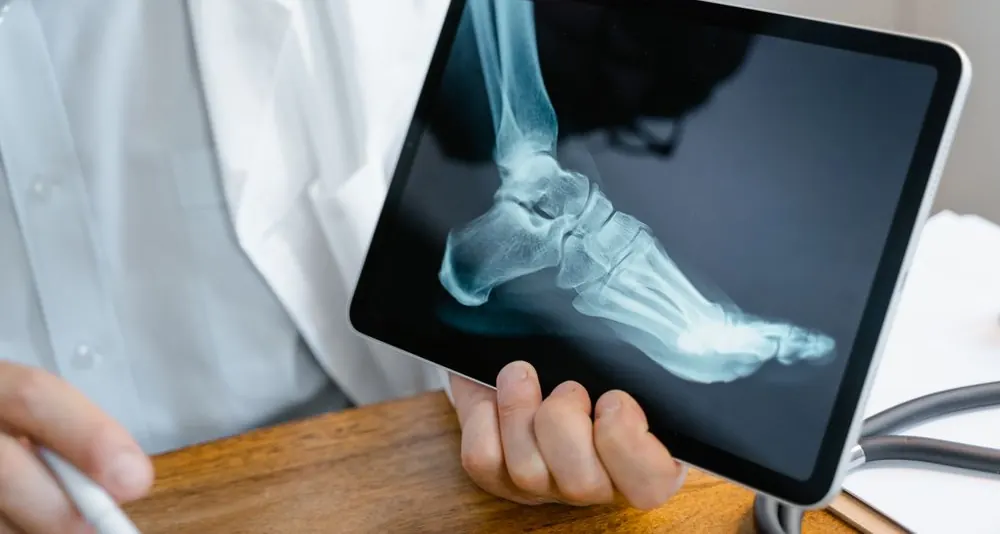
The doctor may request an X-ray to assess the bones and joint space, or other tests in specific cases. At the end you discuss the diagnosis and the available options, many of them non-surgical.
Steps that may help until your visit
- Ease off activities that increase the pain without stopping movement completely.
- Use a cold pack for 15 to 20 minutes on recent injuries, wrapped in a cloth.
- Raise the leg a little when sitting if there is swelling.
- Keep a healthy weight; every extra kilogram multiplies the load on the knee when walking.
These steps are for temporary relief only and do not replace an assessment if any of the signs above appear.
The bottom line
Knee pain is common, and understanding its cause is the first step to treating it. If the pain persists or affects your daily activity, do not wait for it to get worse; early assessment opens simpler treatment options.
Having similar symptoms?
This article is general education; assessing your case needs a direct examination. Book a visit and your doctor will listen and explain the next step.